

Insights
Welcome to ORP Insights
ORP Insights is for leaders who value clarity, discipline, and sound judgment.
This space explores how risk, security, and resilience operate inside organizations — not as standalone programs, but as disciplines embedded in decision-making, prioritization, and execution.
Most failures aren’t caused by a lack of tools. They stem from avoided tradeoffs, unclear ownership, and decisions made without discipline.
The goal isn’t commentary. It’s clearer thinking and better decisions.
Browse Posts
Freedom Requires Discipline
Freedom creates opportunity, but it also introduces exposure. Sustaining it requires discipline in how systems are designed, how decisions are made, and how risk is managed over time. What holds is not what was established, but what is continuously maintained.

Risk Is Not the Problem. Misunderstanding It Is
Most organizations don’t struggle with risk itself. They struggle with how it’s defined and communicated. Labels create alignment on paper, but not in decisions. Real clarity comes from understanding exposure in terms of frequency, magnitude, and assumptions.

What “Security-First” Really Means
Security-first is not about adding more controls. It is about making consistent, informed decisions about exposure. Without clarity on how often something could happen and what it could cost, control maturity can create false confidence.

Audit Is a Stress Test, Not a Surprise
Audit does not create issues. It reveals how the system is actually operating. Consistent results reflect disciplined execution and realistic assumptions about control effectiveness, not luck or timing.

When Strategy Looks Right but Still Fails
Strategy often fails not because it is wrong, but because the organization does not operate the way it assumes. Misaligned incentives, inconsistent decisions, and untested assumptions create gaps between intent and execution. Strategy only works if it changes how decisions are made.

The Cost of Waiting for Perfect Information
Waiting for more information can feel like discipline, but often it does not change the decision. Once the drivers of frequency and magnitude are understood, additional data may narrow uncertainty without improving outcomes. Delay is not neutral, and indecision carries its own risk.

Good Decisions Are Rarely Comfortable
The most important decisions are not about finding the right answer, but choosing which risk to accept. When tradeoffs are clearly understood, discomfort is expected. Decision quality comes from clarity in exposure, not consensus or ease.

When Preparedness Looks Right but Fails Under Pressure
Preparedness often looks complete until conditions change. Most plans are built on assumptions about timing, coordination, and system behavior that do not hold under stress. Resilience is not the presence of a plan, but the ability to adapt when those assumptions break.

Resilience Is Built Before the Crisis
Organizations do not rise in crisis. They reveal what they have already built. Resilience is the result of disciplined decisions made during calm periods, long before urgency forces action.

When Calm Is Misleading
The most dangerous moments in an organization are often the quiet ones. When everything looks stable, leaders should ask whether the system underneath is actually functioning the way they believe it is.

When Complexity Gets Mistaken for Sophistication
Most organizations already have plenty of tools, controls, and reporting. The real question is whether all that structure still helps leaders understand the reasoning behind decisions or slowly begins to obscure it.

What Boards Actually Need From Risk Reporting
Board reporting is not about dashboards or maturity scores. It supports defensible decisions on material enterprise exposure. If directors cannot clearly articulate what matters and why, the reporting is incomplete.
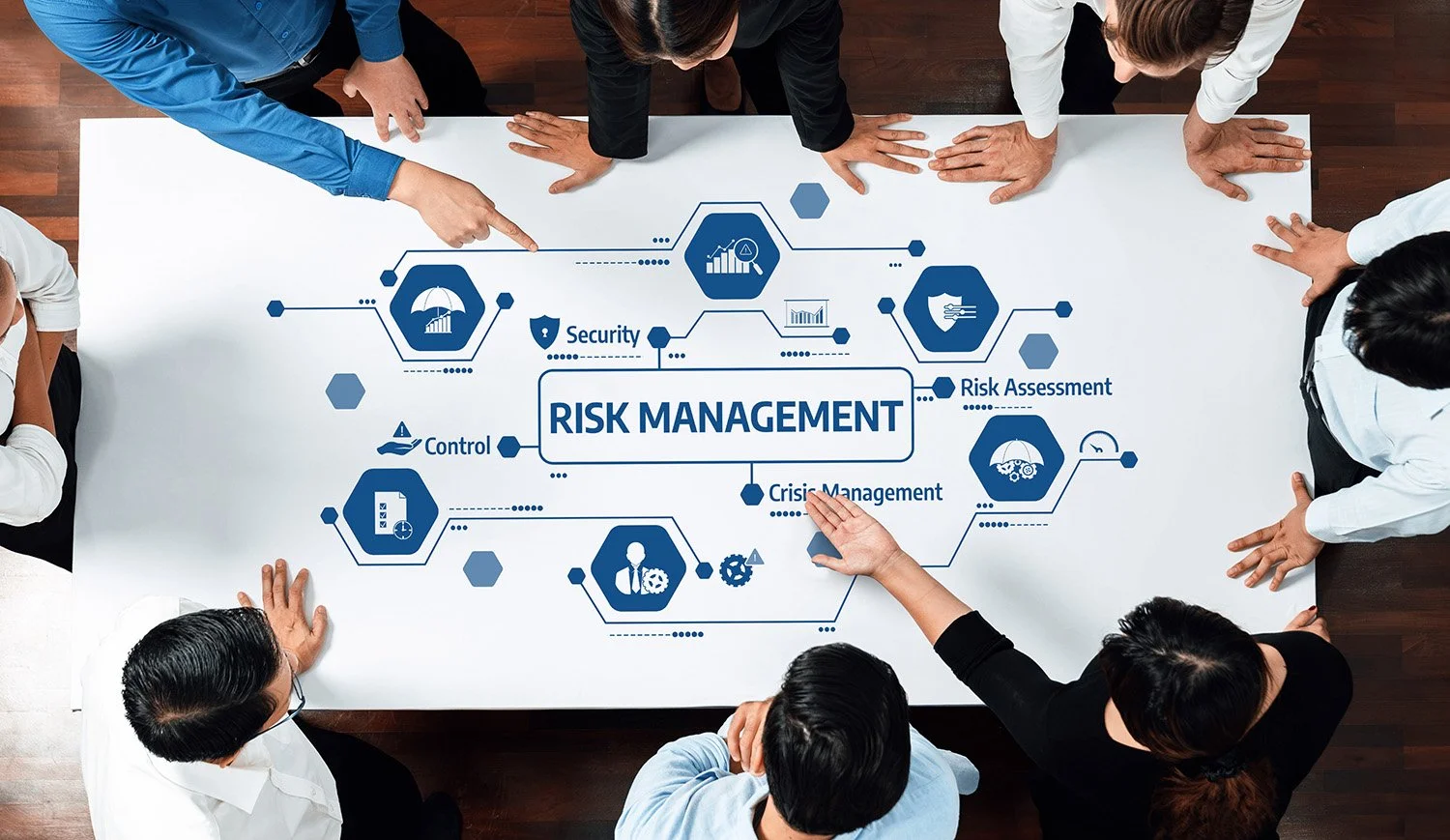
Why Most Risk Conversations Fail Before They Start
Most risk conversations don’t fail because the risk is unclear. They fail because people are talking past each other.

Security Starts with Discipline and Culture
Most security failures aren’t sophisticated. They’re predictable.
join the briefing
Stay Ahead of the Mission
Get insights on risk, resilience, and strategy—delivered straight to your inbox.
As a welcome, you’ll get our free “Getting Started on Risk & Resiliency” guide, designed to help you assess your organization’s readiness and take the first steps toward measurable resilience.

Your mission, our commitmentlet’s get it done
Partner with a team that delivers when the stakes are highest.